Japanese Traditional
Japanese Traditional Tattoo in Ho Chi Minh City
A guide to Japanese Traditional Tattoo in Ho Chi Minh City, from choosing an artist and building a large-scale composition to understanding the long-term process behind Irezumi.
Japanese Traditional Tattoo in Ho Chi Minh City
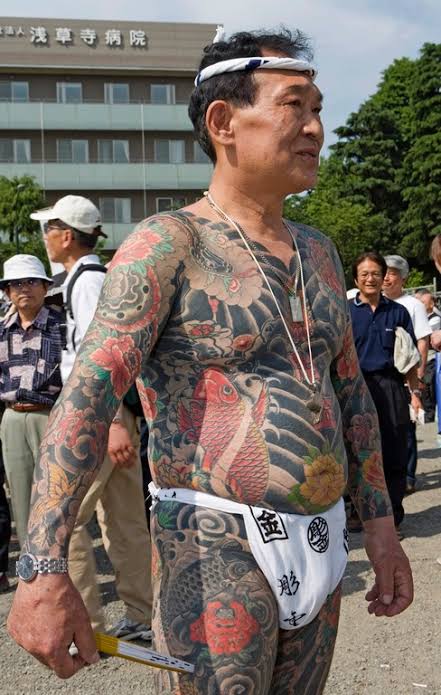
Japanese Traditional Tattoo, or Irezumi, is more than a collection of individual tattoo designs. It is an approach to composition, movement and storytelling that considers how an image lives on the body over time.
In Ho Chi Minh City, interest in Japanese Traditional Tattoo has grown alongside a wider appreciation for large-scale tattooing and traditional Japanese imagery. Dragons, koi, Hannya, samurai, Kintaro, peonies and other motifs are increasingly approached as parts of complete compositions rather than isolated images.
Choosing a Japanese tattoo artist in Ho Chi Minh City therefore involves more than finding a design you like. The artist's understanding of Japanese composition, anatomy, movement, background and long-term project planning can have a significant influence on the final result.
At Saigon Needle, the focus is on Traditional Japanese tattooing, large-scale compositions and long-term projects created with patience and respect for the body.
WHAT MAKES JAPANESE TRADITIONAL TATTOO DIFFERENT?
Traditional Japanese tattooing is built around the relationship between the subject, the background and the body.
A dragon, koi or Hannya is not simply placed onto the skin as an independent illustration. The surrounding wind, waves, clouds, water, leaves, flowers and other background elements help connect the composition and allow it to move naturally with the body.
This approach becomes especially important when planning sleeves, backpieces, chest pieces, full legs or larger bodysuit projects.
The goal is not simply to fill available space. The goal is to create a composition that feels intentional from different angles and continues to make sense as the tattoo develops.
CHOOSING A JAPANESE TATTOO ARTIST IN HO CHI MINH CITY
When choosing an artist for a Japanese Traditional Tattoo, portfolio quality is only one part of the decision.
It is important to look at how the artist handles composition, proportions, body placement, background and consistency across larger projects.
For a long-term Japanese tattoo project, communication is also important. A sleeve or backpiece may require multiple sessions, and the composition needs to be considered before the first tattooing session begins.
HALEMINHX, founder and tattoo artist at Saigon Needle, focuses on Traditional Japanese large-scale compositions built around the body, movement and long-term collaboration with collectors.
The studio's approach is particularly focused on projects that develop gradually rather than treating each tattoo as a separate image.
JAPANESE TATTOO PROJECTS IN SAIGON
A large Japanese tattoo project can take many forms.
A sleeve may begin with a main subject and gradually develop through the arm with a carefully considered background.
A backpiece can be designed as one complete composition, with the central subject, background and surrounding elements working together across the back.
Full-leg and larger body projects require an even stronger understanding of anatomy because the composition needs to work while the body moves.
For this reason, a consultation is often the first step.
Instead of beginning with a fixed image, the artist can discuss the subject, placement, scale, existing tattoos, desired direction and the amount of time available for the project.
TRADITIONAL JAPANESE TATTOO IN VIETNAM
Ho Chi Minh City has become an important destination for tattoo collectors in Vietnam and for international visitors looking for experienced artists working in different tattoo traditions.
The city's international character also makes it possible for artists and collectors from different countries to meet and develop long-term projects.
For visitors considering a Japanese Traditional Tattoo in Vietnam, the process can be planned before arriving in Ho Chi Minh City.
Reference images, preferred motifs, placement and general project direction can be discussed in advance. The artist can then evaluate the body area and develop a composition that is appropriate for the individual project.
WHY LARGE-SCALE JAPANESE TATTOOS TAKE TIME
Traditional Japanese tattooing is often approached as a long-term process.
A large composition needs time for planning, tattooing and healing between sessions. Working gradually also allows the artist to maintain consistency as the project develops.
The number of sessions depends on the size, placement, complexity, skin condition and individual circumstances of the project.
There is no universal timeline for a Japanese sleeve, backpiece or bodysuit.
What matters is allowing enough time for the composition and tattooing process to develop properly rather than rushing the project toward completion.
STARTING A JAPANESE TATTOO PROJECT AT SAIGON NEEDLE
If you are considering a Japanese Traditional Tattoo in Ho Chi Minh City, the best starting point is a consultation.
Bring references if you have them, but you do not need to arrive with every detail decided.
A consultation can help establish the main subject, placement, scale, composition and overall direction of the project.
Saigon Needle is located at 390/14 Nguyen Dinh Chieu, District 3, Ho Chi Minh City, Vietnam.
For collectors visiting Saigon from another city or country, contacting the studio in advance is recommended so the project and available time can be discussed before the visit.
CONCLUSION
Japanese Traditional Tattoo in Ho Chi Minh City is developing beyond individual tattoo designs toward larger, more considered projects.
For those interested in Irezumi, the most important decision is not simply which image to tattoo. It is choosing an artist who understands how the subject, background and body can work together as one composition.
At Saigon Needle, the focus remains on Traditional Japanese tattooing, large-scale compositions and long-term projects created with patience and respect for the body.
Whether you are planning a first Japanese tattoo, a sleeve, a backpiece or a larger ongoing project, the process begins with understanding the body, the imagery and the direction of the work.
Japanese Traditional Tattoo, or Irezumi, is more than a collection of individual tattoo designs. It is an approach to composition, movement and storytelling that considers how an image lives on the body over time.
In Ho Chi Minh City, interest in Japanese Traditional Tattoo has grown alongside a wider appreciation for large-scale tattooing and traditional Japanese imagery. Dragons, koi, Hannya, samurai, Kintaro, peonies and other motifs are increasingly approached as parts of complete compositions rather than isolated images.
Choosing a Japanese tattoo artist in Ho Chi Minh City therefore involves more than finding a design you like. The artist's understanding of Japanese composition, anatomy, movement, background and long-term project planning can have a significant influence on the final result.
At Saigon Needle, the focus is on Traditional Japanese tattooing, large-scale compositions and long-term projects created with patience and respect for the body.
WHAT MAKES JAPANESE TRADITIONAL TATTOO DIFFERENT?
Traditional Japanese tattooing is built around the relationship between the subject, the background and the body.
A dragon, koi or Hannya is not simply placed onto the skin as an independent illustration. The surrounding wind, waves, clouds, water, leaves, flowers and other background elements help connect the composition and allow it to move naturally with the body.
This approach becomes especially important when planning sleeves, backpieces, chest pieces, full legs or larger bodysuit projects.
The goal is not simply to fill available space. The goal is to create a composition that feels intentional from different angles and continues to make sense as the tattoo develops.
CHOOSING A JAPANESE TATTOO ARTIST IN HO CHI MINH CITY
When choosing an artist for a Japanese Traditional Tattoo, portfolio quality is only one part of the decision.
It is important to look at how the artist handles composition, proportions, body placement, background and consistency across larger projects.
For a long-term Japanese tattoo project, communication is also important. A sleeve or backpiece may require multiple sessions, and the composition needs to be considered before the first tattooing session begins.
HALEMINHX, founder and tattoo artist at Saigon Needle, focuses on Traditional Japanese large-scale compositions built around the body, movement and long-term collaboration with collectors.
The studio's approach is particularly focused on projects that develop gradually rather than treating each tattoo as a separate image.
JAPANESE TATTOO PROJECTS IN SAIGON
A large Japanese tattoo project can take many forms.
A sleeve may begin with a main subject and gradually develop through the arm with a carefully considered background.
A backpiece can be designed as one complete composition, with the central subject, background and surrounding elements working together across the back.
Full-leg and larger body projects require an even stronger understanding of anatomy because the composition needs to work while the body moves.
For this reason, a consultation is often the first step.
Instead of beginning with a fixed image, the artist can discuss the subject, placement, scale, existing tattoos, desired direction and the amount of time available for the project.
TRADITIONAL JAPANESE TATTOO IN VIETNAM
Ho Chi Minh City has become an important destination for tattoo collectors in Vietnam and for international visitors looking for experienced artists working in different tattoo traditions.
The city's international character also makes it possible for artists and collectors from different countries to meet and develop long-term projects.
For visitors considering a Japanese Traditional Tattoo in Vietnam, the process can be planned before arriving in Ho Chi Minh City.
Reference images, preferred motifs, placement and general project direction can be discussed in advance. The artist can then evaluate the body area and develop a composition that is appropriate for the individual project.
WHY LARGE-SCALE JAPANESE TATTOOS TAKE TIME
Traditional Japanese tattooing is often approached as a long-term process.
A large composition needs time for planning, tattooing and healing between sessions. Working gradually also allows the artist to maintain consistency as the project develops.
The number of sessions depends on the size, placement, complexity, skin condition and individual circumstances of the project.
There is no universal timeline for a Japanese sleeve, backpiece or bodysuit.
What matters is allowing enough time for the composition and tattooing process to develop properly rather than rushing the project toward completion.
STARTING A JAPANESE TATTOO PROJECT AT SAIGON NEEDLE
If you are considering a Japanese Traditional Tattoo in Ho Chi Minh City, the best starting point is a consultation.
Bring references if you have them, but you do not need to arrive with every detail decided.
A consultation can help establish the main subject, placement, scale, composition and overall direction of the project.
Saigon Needle is located at 390/14 Nguyen Dinh Chieu, District 3, Ho Chi Minh City, Vietnam.
For collectors visiting Saigon from another city or country, contacting the studio in advance is recommended so the project and available time can be discussed before the visit.
CONCLUSION
Japanese Traditional Tattoo in Ho Chi Minh City is developing beyond individual tattoo designs toward larger, more considered projects.
For those interested in Irezumi, the most important decision is not simply which image to tattoo. It is choosing an artist who understands how the subject, background and body can work together as one composition.
At Saigon Needle, the focus remains on Traditional Japanese tattooing, large-scale compositions and long-term projects created with patience and respect for the body.
Whether you are planning a first Japanese tattoo, a sleeve, a backpiece or a larger ongoing project, the process begins with understanding the body, the imagery and the direction of the work.